



What changed for
RPM reimbursement in
2026?
REMOTE PATIENT MONITORING (RPM) SERVICES
A reimbursable service in which healthcare providers monitor patients using connected devices (Blood Pressure Monitors, Weight Scales, Glucometers etc) to securely capture patient biometric data from the comfort of their home. This allows providers to extend care beyond clinic visits and make real-time, data-driven treatment decisions.
| HCPCS Code | Description | Monthly Rate |
|---|---|---|
| CPT 99453 | Billable One Time Only Device setup and patient education. Can be charged once per episode of care after 16 readings of data has transmitted. |
$21 |
| CPT 99445 (NEW 2026) |
Recurring – Billable Once per 30-Day period Provider supplied device for recording and data transmission of biometric data. If a patient uses the device 2-15 unique days per month. Clinics may bill either CPT 99445 or CPT 99454 in a given month – not both. |
$51 |
| CPT 99454 | Recurring – Billable Once per 30-Day period Provider supplied device for recording and data transmission of biometric data. If a patient uses the device 16 or more unique days per month. Clinics may bill either CPT 99445 or CPT 99454 in a given month – not both. |
$51 |
| CPT 99470 (NEW 2026) |
Recurring – Billable Once per 30-Day period Covers 10–19 minutes per calendar month of staff time spent monitoring physiologic data and actively communicating with the patient or caregiver. CPT 99470 is a standalone treatment management code and may not be combined with CPT 99457 or CPT 99458 in the same calendar month. |
$26 |
| CPT 99457 | Recurring – Billable Once per 30-Day period Covers 20–39 minutes per calendar month of staff time spent monitoring physiologic data and actively communicating with the patient or caregiver. |
$52 |
| CPT 99458 | Recurring – Billable Once per 30-Day period Covers each additional 20-minute increment of RPM treatment management time beyond CPT 99457. CPT 99458 may only be billed in conjunction with CPT 99457 and cannot be billed with CPT 99470 and is limited to two units per calendar month. |
$41 |
How RPM Works (End-to-End)
- Physiologic data collection via FDA-cleared devices
- Secure data transmission to a monitoring platform
- Trend-based signal analysis
- Clinical review and intervention
- Documentation for reimbursement and continuity of care

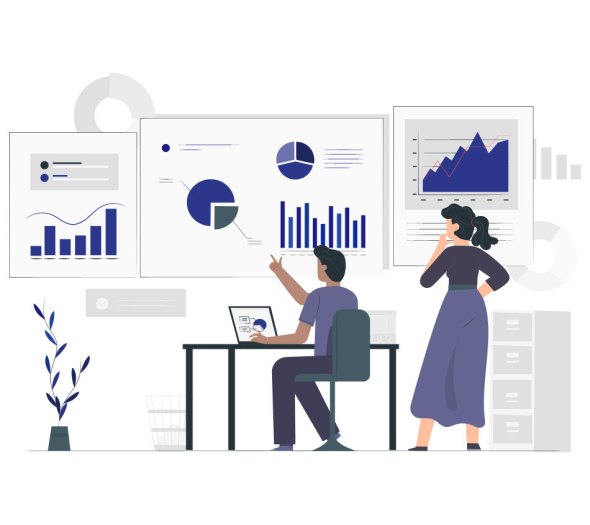
What happens after RPM data is collected
The most challenging aspect of RPM is not data collection but interpretation and response. Raw measurements must be contextualized across time, filtered for noise, and escalated only when clinically meaningful thresholds are crossed. Without this structure, RPM contributes to alert fatigue rather than improved outcomes.
Why Many RPM Programs Fail
- Excessive false alerts
- Manual documentation burdens
- Poor integration with clinical workflows
- Inability to attribute staff time to billable events
X
Oops! Something went wrong
Please check your internet
connection and try again later.